
Sectors

Where India’s trade moves. Where we operate.

ndia’s port infrastructure handles the country’s most critical cargo flows — and runs on systems, processes, and institutional frameworks that have not kept pace with the scale of demand. Fluxion’s port operations thesis is built on long-duration concession engagement, terminal-level operational control, and the deployment of proprietary throughput management systems across the full cargo cycle.


We are active across four distinct verticals within port operations:

bulk cargo logistics

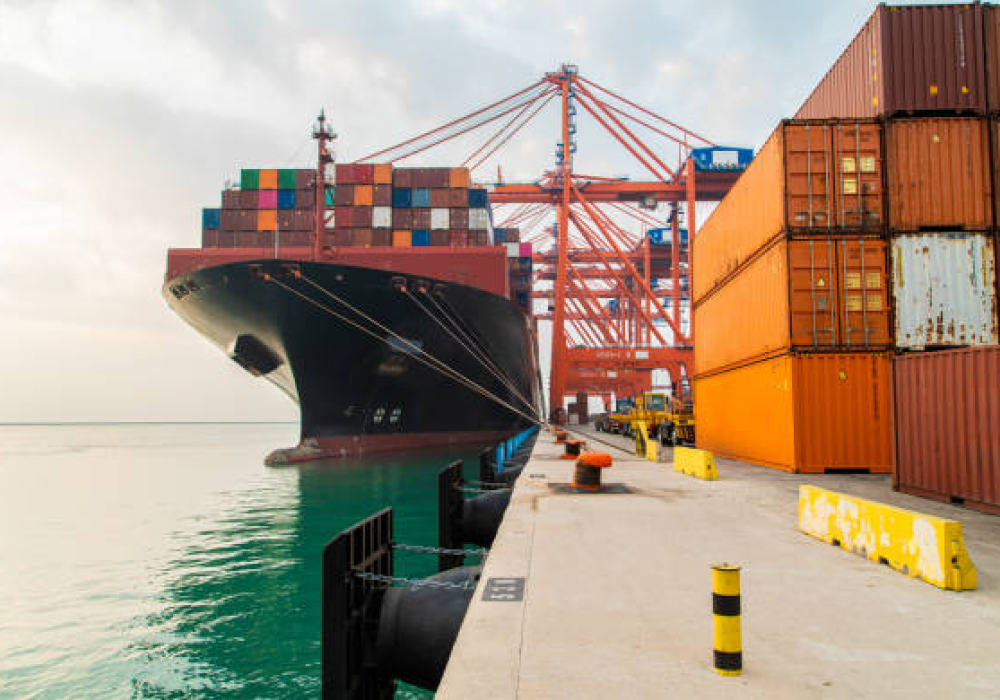
Bulk handling — coal, fertilizers, agri-commodities, minerals — is the highest-volume and most operationally complex segment of India’s port system. Our thesis here centers on mechanized handling infrastructure, berth utilization optimization, and real-time cargo tracking that reduces dwell time and vessel turnaround. We do not just integrate technology into existing workflows. We redesign the workflows.

digital infrastructure
Digital Infrastructure

Ports generate enormous operational data and act on almost none of it. Our digital infrastructure capability — built in-house — covers port management systems, cargo intelligence platforms, and operational dashboards that give terminal managers genuine decision support, not reporting interfaces. This is proprietary stack, not off-the-shelf integration.
container freight station
Container Freight Station

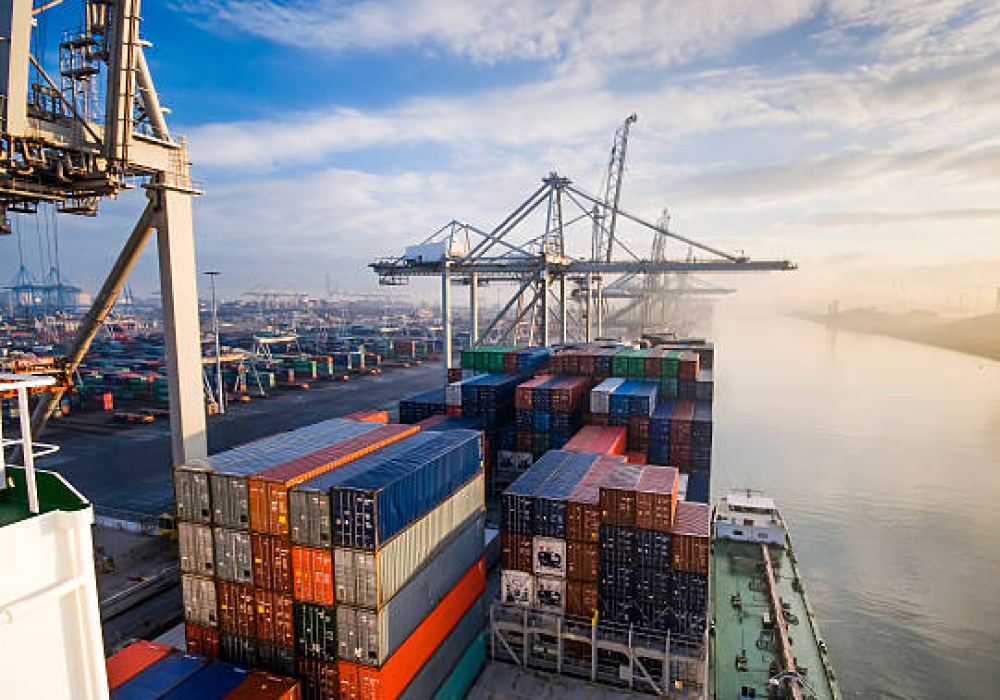
CFS operations sit at the critical interface between port terminals and the broader logistics chain. We develop and operate CFS facilities with an emphasis on customs clearance velocity, stuffing/destuffing throughput, and cargo security — building assets that function as genuine logistics hubs, not passive storage facilities.
inland container depot

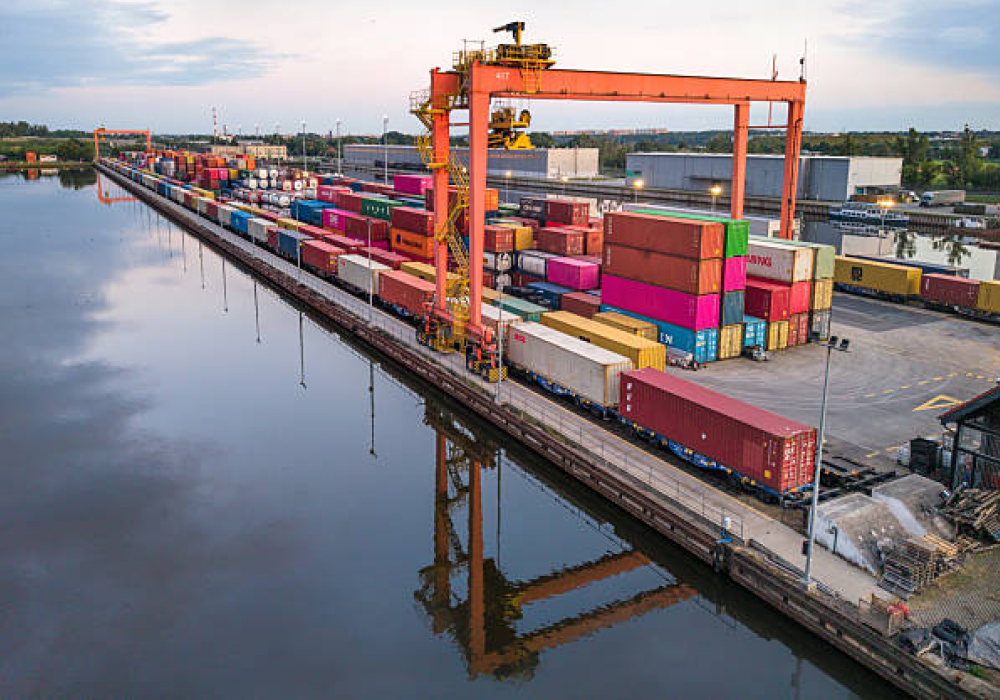
ICDs extend the port’s operational reach into the hinterland. Our ICD strategy focuses on strategic corridor positioning, rail-road multimodal integration, and the build-out of warehousing and value-added logistics services that serve both EXIM and domestic cargo flows.

The foundational industries. Run with the discipline they’ve never had.

Steel and mining underpin India’s entire infrastructure build. They are also among the most operationally inefficient sectors in the country — characterized by process waste, yield losses, fragmented logistics, and management systems that have not been institutionalized. Fluxion’s thesis in this sector is operational transformation of mid-market assets, not financial structuring.

manufacturing operations (1)

We engage directly in steel manufacturing — plant-level operational management, process optimization, yield improvement, and the build-out of production management systems that give plant leadership genuine operational visibility. Our proprietary process frameworks are developed internally and deployed with resident operational teams, not external consultants.

downstream operations (1)
Downstream Operations

Downstream steel — processing, fabrication, value-added products — is where margin is made or destroyed. We invest in downstream facilities where product mix rationalization, process efficiency, and customer supply chain integration can materially improve unit economics.
ore extraction operations (1)
Ore Extraction Operations

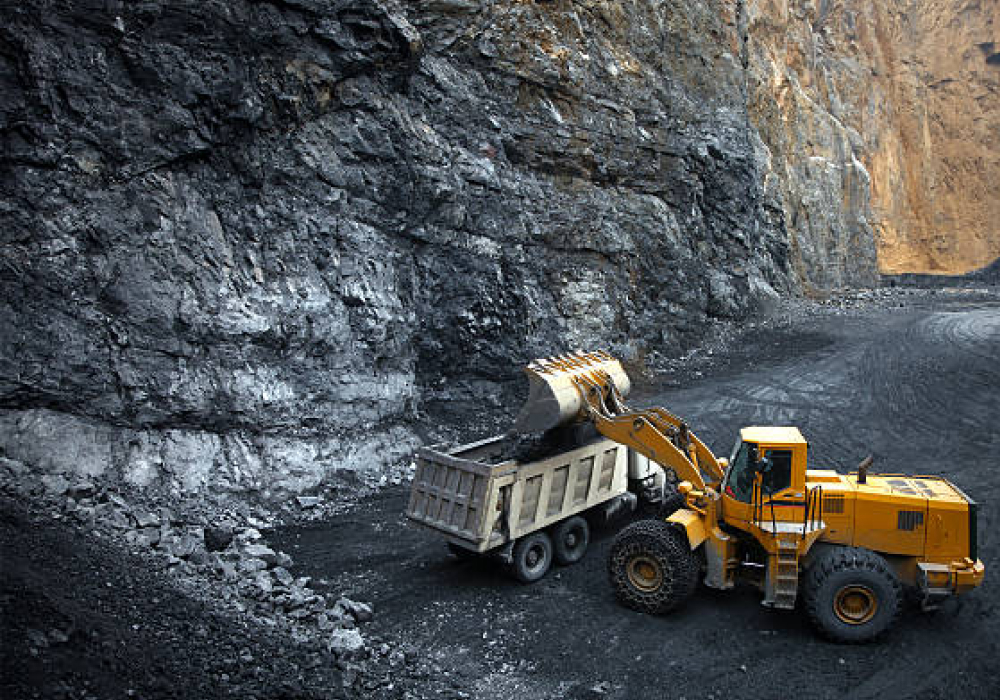
Mining operations require a distinct operational framework: reserve management, extraction planning, equipment reliability, and regulatory compliance at a level of rigor that most mid-market operators have never built. We bring institutional process to extraction operations that have historically been run on instinct and relationships.
mineral logistics (1)

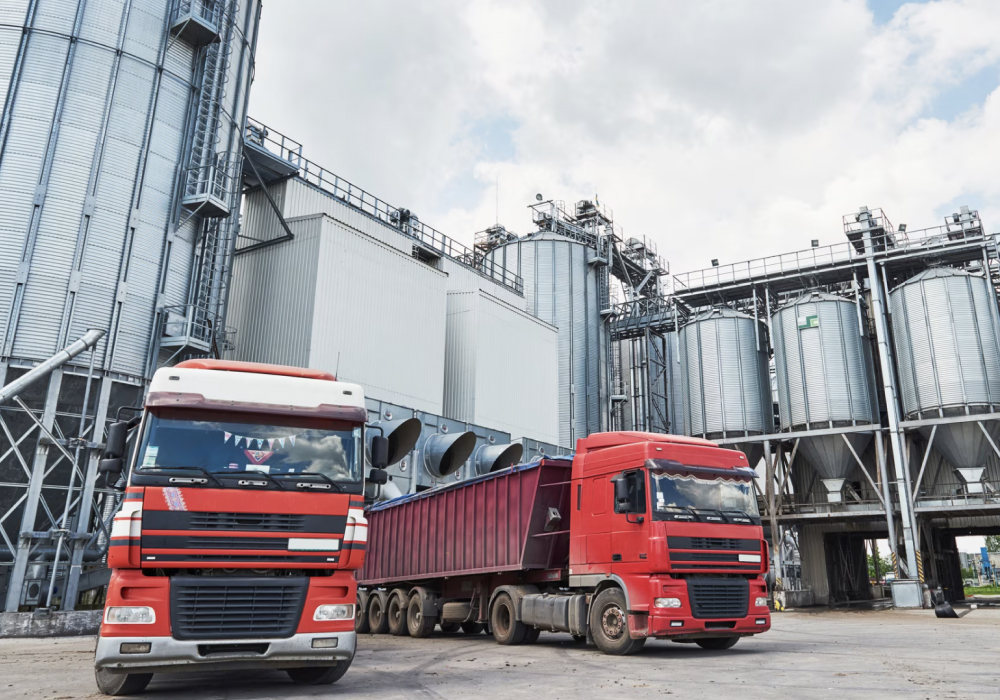
Moving ore and minerals from extraction to consumption is a capital-intensive, operationally complex challenge — one that most mining operators treat as an afterthought. We treat it as a core capability, building logistics infrastructure and fleet management systems that reduce per-tonne movement costs and improve supply reliability for downstream customers.

logistics

Warehouse Operations

Logistics infrastructure built for industrial throughput — not e-commerce.

India’s warehousing sector has attracted significant capital, most of it oriented toward consumer and e-commerce logistics. Fluxion’s warehousing focus is different: we build and operate industrial-grade warehouse facilities serving heavy industry, bulk commodities, port hinterlands, and manufacturing supply chains.
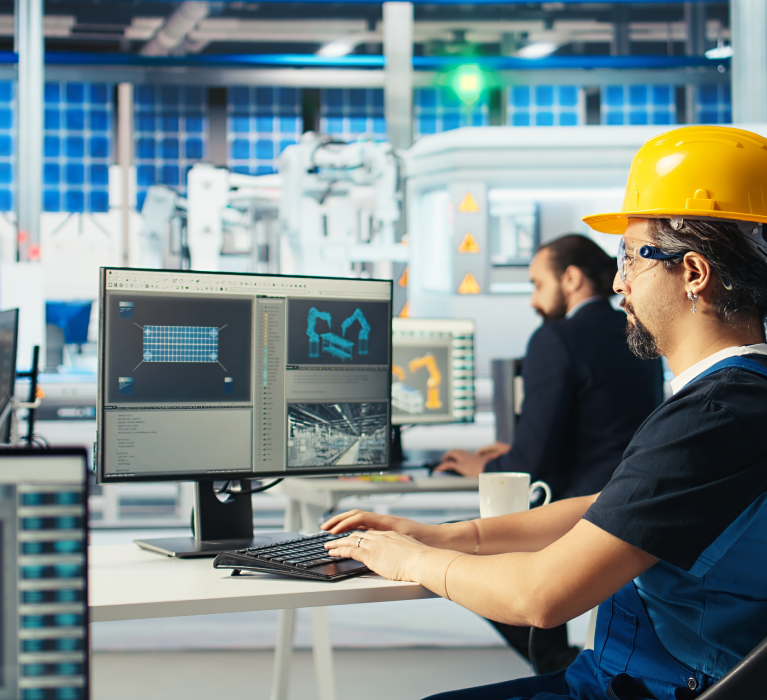
Our operational thesis centers on facility design for heavy load and bulk handling, inventory management systems tailored to industrial SKU complexity, and the integration of warehouse operations with upstream port and downstream manufacturing workflows. We treat warehousing as a throughput asset, not a storage business.

Industrial Vehicles and Drones

The machines that run industrial India. Built by us.

Fluxion is developing a manufacturing capability for industrial vehicles and drone systems purpose-built for the operational environments we work in — ports, mining sites, warehouses, and logistics corridors. This is not systems integration. This is hardware.

Our vehicle and drone manufacturing facility is currently under development. The product line is being designed around the specific payload, durability, and autonomy requirements of India’s industrial infrastructure sector — environments that commercial off-the-shelf systems are not built to handle.

industrty digitlization
healthcare

Clinical Technology Platform

Healthcare infrastructure, rebuilt from the operating layer up.

Fluxion’s clinical technology platform — developed under the ETOH program — is currently in active development. We are building the institutional-grade operating system for Indian hospitals: AI-native clinical workflows, real-time patient intelligence, and revenue cycle infrastructure designed for the scale and complexity of India’s healthcare delivery system.