
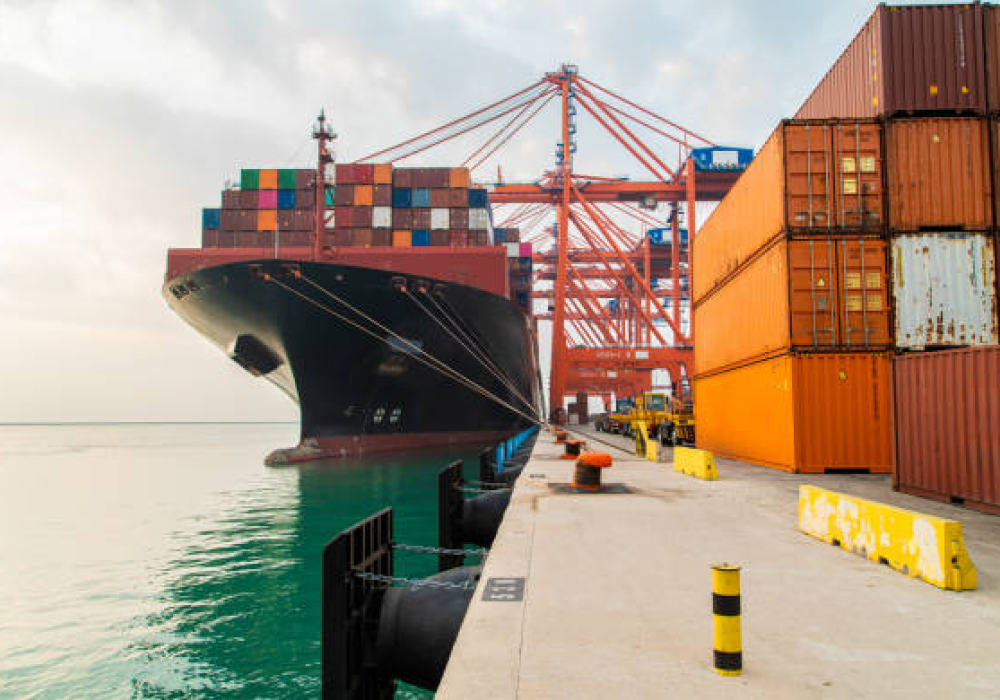
Bulk Cargo Logistics
Bulk handling — coal, fertilizers, agri-commodities, minerals — is the highest-volume and most operationally complex segment of India’s port system. Our thesis here centers on mechanized handling infrastructure, berth utilization optimization, and real-time cargo tracking that reduces dwell time and vessel turnaround. We do not just integrate technology into existing workflows. We redesign the workflows.

Digital Infrastructure
Ports generate enormous operational data and act on almost none of it. Our digital infrastructure capability — built in-house — covers port management systems, cargo intelligence platforms, and operational dashboards that give terminal managers genuine decision support, not reporting interfaces. This is proprietary stack, not off-the-shelf integration.
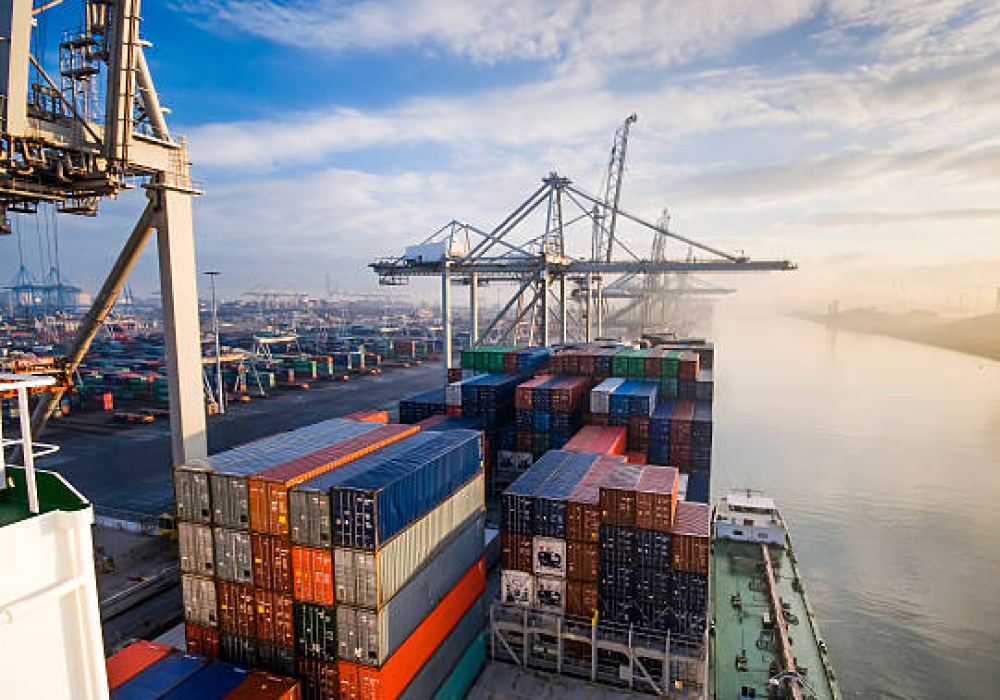
Container Freight Station
CFS operations sit at the critical interface between port terminals and the broader logistics chain. We develop and operate CFS facilities with an emphasis on customs clearance velocity, stuffing/destuffing throughput, and cargo security — building assets that function as genuine logistics hubs, not passive storage facilities.
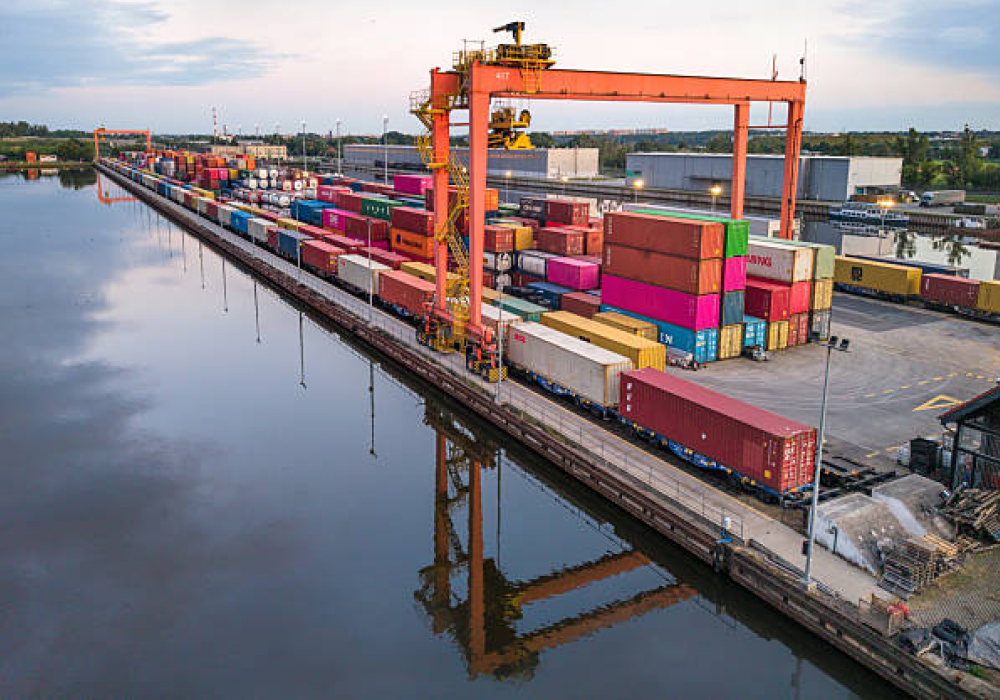
Inland Container Depot
ICDs extend the port’s operational reach into the hinterland. Our ICD strategy focuses on strategic corridor positioning, rail-road multimodal integration, and the build-out of warehousing and value-added logistics services that serve both EXIM and domestic cargo flows.